Discover the Best Projector 2026: Expert Picks for Your Home Theater
Understanding Projector Types for 2026
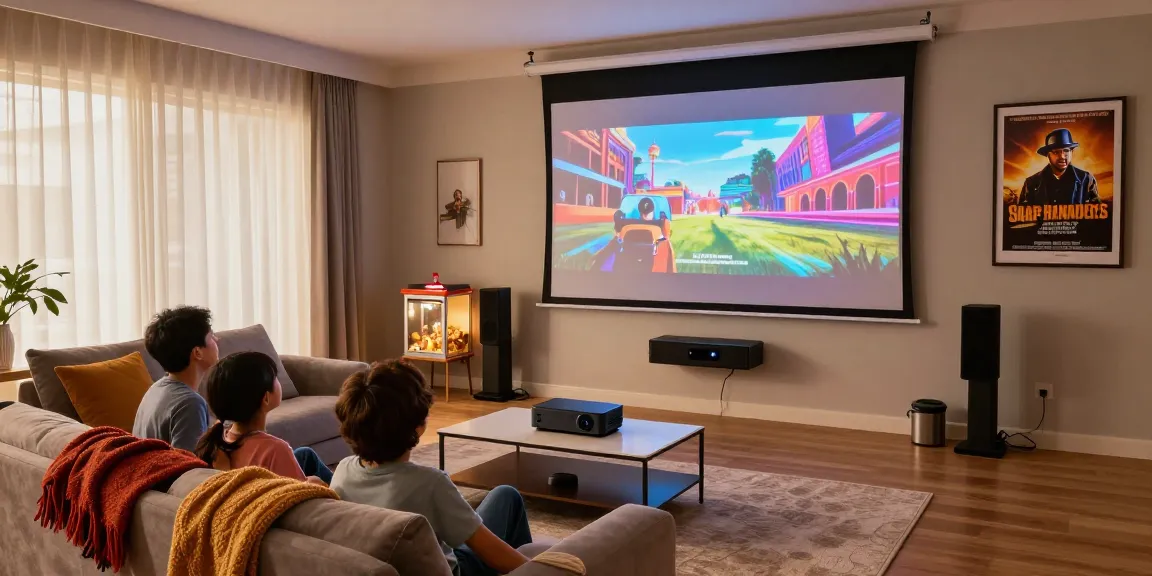
As we step into 2026, the projector market is brimming with innovative technologies and diverse options suitable for various home entertainment needs. Whether you’re setting up a home theater, gaming station, or simply looking to enhance your viewing experience, knowing the different types of projectors available is crucial for making an informed decision. From high-end 4K models to budget-friendly alternatives, the options are vast and varied. For detailed insights into the best projector 2026, it’s essential to be aware of the latest developments and offerings in this dynamic market.
What Are the Best Projector Types Available?
The projector landscape has evolved significantly, and several types stand out in 2026:
- LCD Projectors: Known for their bright images and vibrant colors, LCD projectors utilize liquid crystal display technology to produce high-quality visuals. They are ideal for well-lit environments.
- DLP Projectors: Digital Light Processing (DLP) projectors are renowned for their sharp images and smooth motion, making them a popular choice for home theaters and gaming setups.
- LCoS Projectors: Liquid Crystal on Silicon (LCoS) combines the best aspects of both LCD and DLP technologies, offering high resolution and excellent color accuracy, albeit often at a higher price point.
- LED Projectors: With improved longevity and energy efficiency, LED projectors are compact and powerful, providing a great choice for portable and casual use.
- Laser Projectors: These projectors use laser technology for illumination, enabling higher brightness levels and longer lifespans, making them suitable for large venues.
How to Choose Between LCD, DLP, and LCoS?
When deciding on a projector type, consider the following factors:
- Brightness: For rooms with ambient light, an LCD or laser projector offers better visibility.
- Color Accuracy: LCoS projectors excel in color reproduction, making them preferable for cinema enthusiasts.
- Cost: DLP projectors typically offer a more affordable entry point without sacrificing too much in performance.
Benefits of 4K Projectors for Home Entertainment
4K projectors have transformed home entertainment, delivering stunning picture quality. Their benefits include:
- Increased Detail: With four times the resolution of Full HD, 4K projectors reveal intricate details in movies and games.
- Broader Color Spectrum: They support a wider color gamut, enhancing the viewing experience with vibrant images.
- Future-Proofing: As more content becomes available in 4K, owning a 4K projector ensures you’re ready to enjoy the latest movies and shows without needing an upgrade.
Top Projector Brands to Consider in 2026
With a plethora of brands in the market, some manufacturers consistently stand out due to their innovations and quality:
Leading Brands and Their Unique Features
Popular brands include:
- Epson: Known for their expansive range of home projectors, Epson models often excel in brightness and reliability.
- BenQ: Renowned for gaming projectors, BenQ offers specialized models with low input lag and high refresh rates.
- Sony: Their LCoS technology creates some of the best high-end projectors, delivering unparalleled color accuracy and depth.
Comparative Analysis of Price vs. Performance
Finding the right balance between cost and features is essential. For instance:
- Budget Range: Projectors like the Epson Home Cinema 3800 offer solid performance at a reasonable price.
- Mid-Range Models: Consider the BenQ HT3550 for an excellent 4K option that balances quality with affordability.
- High-End Choices: For enthusiasts, the Sony VPL-VW295ES provides exceptional performance but at a premium price.
Consumer Ratings and Expert Reviews
Always check consumer ratings and expert reviews. Websites like TechRadar and RTINGS provide comprehensive comparisons and insights, helping you make an informed decision based on real-world performance data.
How to Set Up Your Projector for Optimal Performance
Setting up your projector correctly is critical for maximizing its capabilities. Here are steps to consider:
Essential Tools for Installation and Calibration
Invest in the right tools for installation, such as:
- Mounting Brackets: Secure your projector for stability.
- Calibration Software: Use calibration tools for adjusting colors and brightness optimally.
Best Practices for Screen Placement and Distance
The projector’s placement significantly affects image quality. Consider these points:
- Projectors should be positioned at a distance roughly 1.5 to 2.5 times the screen width for optimal image size.
- Ensure the lens is aligned with the center of the screen to avoid distortion.
Adjusting Settings for Different Viewing Environments
Different lighting conditions require tailored settings:
- Bright Rooms: Adjust brightness and contrast settings for enhanced visibility.
- Dark Spaces: Lower brightness to prevent oversaturation and enhance color depth.
Projector Accessories You Can’t Miss
To elevate your projector experience, consider essential accessories:
Must-Have Accessories to Enhance Your Viewing Experience
- High-Quality Cables: Invest in HDMI cables that support 4K and high-speed data transfer.
- Screen Options: Choose between fixed, motorized, or portable screens based on your space and preferences.
Sound Systems and Their Impact on Movie Nights
Enhancing your audio experience can dramatically improve viewing pleasure:
- Soundbars: Compact and powerful, soundbars enhance audio without taking up much space.
- Home Theater Systems: For true cinema quality, invest in a surround sound system that complements your projector.
Screen Options: Fixed, Motorized, or Portable?
Selecting the right screen can impact projection quality significantly:
- Fixed Screens: Best for permanent setups, providing the flattest surface for projection.
- Motorized Screens: Convenient for multi-use rooms, allowing for easy deployment and retraction.
- Portable Screens: Ideal for traveling users, these screens can be quickly set up and taken down.
Future Trends in Projector Technology
Projector technology is continuously advancing. Here are trends to watch in 2026:
Emerging Features to Look Out for in 2026
The future of projectors includes:
- Smart Technology Integration: Projectors with built-in streaming capabilities and smart assistants are becoming more common.
- Improved Portability: New compact designs and ultra-lightweight projectors are making it easier to take your setup anywhere.
The Role of Smart Technology in Home Projectors
Smart projectors are changing how users interact with their devices:
- Wi-Fi Capabilities: Connect to networks for easy streaming from various sources without additional cables.
- App Integration: Apps that allow users to control projector settings conveniently from smartphones or tablets.
Predictions for Projector Innovations Beyond 2026
Looking further ahead, we anticipate:
- 8K and Beyond: As 4K becomes common, expect projectors supporting even higher resolutions.
- Advanced Calibration: Automated calibration systems that adjust settings based on room dynamics.
What are the best projectors for gaming in 2026?
Gaming projectors are tailored for low latency and high refresh rates. Notable options include models from BenQ and Optoma, designed specifically for gamers, ensuring smooth visuals and quick response times.
How can I improve my projector’s picture quality?
Improving picture quality involves proper setup, using high-quality cables, ensuring optimal screen distance, and frequently calibrating settings to suit your environment.
Are portable projectors worth it in 2026?
Portable projectors offer convenience and flexibility, making them a great choice for on-the-go presentations or movie nights anywhere. Their quality continues to improve, making them viable alternatives to traditional models.
What is the average lifespan of a projector?
Typically, projectors have a lifespan of 3000 to 5000 hours, depending on the technology used and maintenance. LED and laser projectors tend to last longer compared to traditional lamp projectors.
How do I choose the right screen size for my projector?
The optimal screen size depends on the projector’s throw distance and the room size. Generally, larger screens offer a more immersive experience, but consider the available space and viewing distance for comfort.