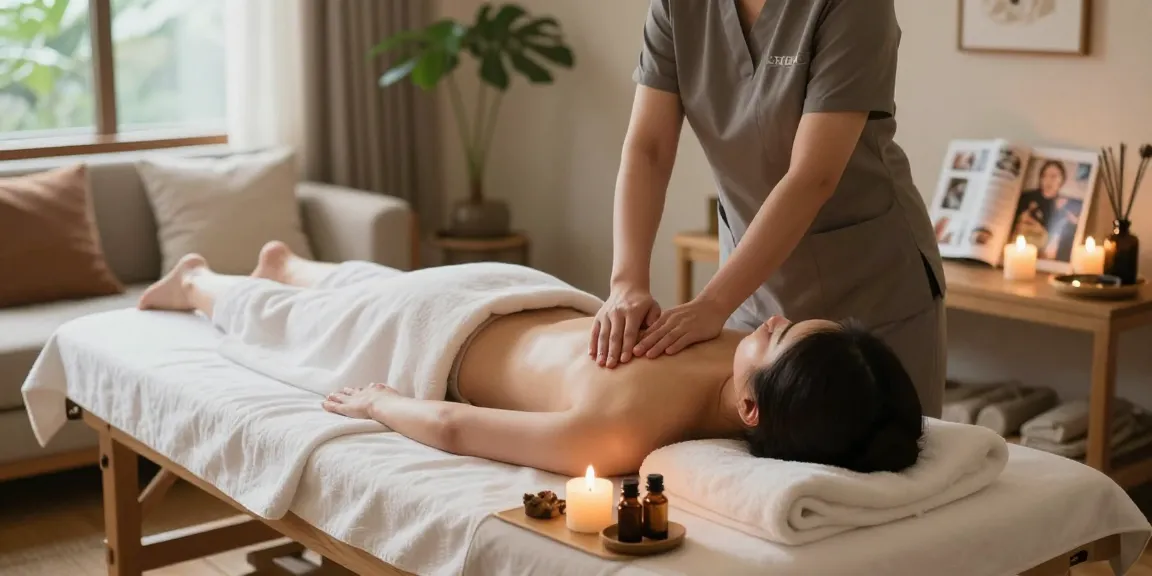
The Evolution of Wellness Coaching in 2026
The landscape of wellness coaching has undergone significant transformations in recent years, shaped by societal shifts and advancements in technology. As we move into 2026, understanding these changes is crucial for both practitioners and clients. Wellness coaching is not merely a trend; it has evolved into a fundamental aspect of holistic health management. With an increasing number of individuals seeking personalized wellness solutions, the need for skilled wellness coaches has never been greater. Organizations such as https://koiaminos.com continue to provide valuable resources that enhance the coaching experience.
Understanding the Wellness Coaching Landscape
Wellness coaching has shifted from a niche offering to a mainstream necessity, reflecting the growing importance of mental and physical health. Clients are now more informed about their wellness options, leading to increased expectations from their coaches. In 2026, wellness coaching encompasses a broad range of specialties, including nutrition, fitness, mental health, and life coaching, creating a more integrated approach to well-being.
Key Trends Influencing Wellness Practices
- Holistic Approach: A shift towards viewing wellness as a synergy of mind, body, and spirit.
- Increased Demand for Personalization: Tailored coaching plans that consider individual differences.
- Sustainability and Eco-Consciousness: Growing emphasis on eco-friendly wellness practices.
How Technology Shapes Wellness Coaching
Technology plays an essential role in revolutionizing how wellness coaching is delivered. Virtual coaching, apps for tracking health metrics, and online resources make wellness coaching more accessible than ever. Coaches are now using data analytics to personalize programs, monitor progress, and enhance client engagement. As telehealth services become more integrated into wellness strategies, clients can expect more flexible and convenient coaching options.
Core Principles of Effective Wellness Coaching
Defining the Role of a Wellness Coach
A wellness coach is more than a guide; they act as a partner in their clients’ journeys toward optimal well-being. They help clients set realistic goals, overcome barriers, and foster sustainable behavior changes. Understanding the unique challenges each client faces allows the coach to tailor their approach, ensuring a supportive and effective coaching relationship.
Skills Every Wellness Coach Should Master
- Active Listening: Essential for understanding client needs and building rapport.
- Empathy: Key to providing support and encouragement.
- Goal-setting: Ability to help clients set and refine personal wellness goals.
- Motivational Interviewing: A technique that facilitates client ownership of their wellness journey.
Building Trust and Rapport with Clients
Establishing trust is foundational to successful coaching. By creating a safe and empathetic space, coaches can foster open communication and encourage clients to express vulnerabilities. This trust enhances client engagement and increases the likelihood of achieving their wellness goals.
Challenges in the Wellness Coaching Industry
Common Misconceptions About Wellness Coaching
One prevalent misconception is that wellness coaching is only for those with serious health issues. In reality, anyone can benefit from wellness coaching, regardless of their current health status. Coaches are equipped to assist individuals seeking to improve their overall quality of life, making wellness coaching accessible to a wider audience.
Overcoming Client Resistance and Barriers
Resistance from clients may stem from fear or skepticism regarding their ability to change. Coaches can mitigate these barriers by employing motivational techniques that focus on small, achievable steps, thus enabling clients to see progress and build confidence gradually.
Strategies for Navigating Industry Saturation
As the wellness coaching industry expands, standing out becomes increasingly challenging. Coaches should develop a unique niche, continuously upskill through training and certifications, and leverage social media to build their brand. Establishing a strong online presence can also help coaches attract and retain clients.
Best Practices for Successful Coaching Sessions
Creating an Inclusive Coaching Environment
An inclusive coaching environment ensures that clients feel valued and understood. Coaches should familiarize themselves with cultural competencies and be sensitive to the diverse backgrounds and experiences of their clients. This inclusivity not only builds rapport but also fosters a sense of belonging, essential for effective coaching.
Utilizing Personalized Wellness Plans
A one-size-fits-all approach seldom works in wellness coaching. Personalized wellness plans, tailored to individual needs, interests, and goals, are essential. These plans should incorporate various dimensions of wellness, including physical, emotional, social, and spiritual health, ensuring a well-rounded approach to client development.
Measuring Progress and Adjusting Strategies
Regularly measuring progress is vital in wellness coaching. Coaches should establish clear benchmarks and utilize various tracking methods, such as client journals or digital wellness apps. This data not only helps in recognizing achievements but also highlights areas for improvement, allowing for timely adjustments to coaching strategies.
Future Outlook: Wellness Coaching Beyond 2026
Emerging Technologies in Wellness Coaching
The future of wellness coaching will undoubtedly be shaped by emerging technologies such as artificial intelligence, virtual reality, and wearable health devices. These innovations are set to provide even more personalized coaching experiences, significantly enhancing the client's ability to track their journey toward wellness.
Predictions for Wellness Trends in the Next Decade
- Integration with Medical Professionals: More collaboration between wellness coaches and healthcare providers.
- Focus on Mental Health: Increasing emphasis on mental wellness as a component of overall health.
- Community-Led Initiatives: A rise in community-based wellness programs promoting collective well-being.
Preparing for Changes in Consumer Preferences
As consumer preferences evolve, wellness coaches must stay attuned to emerging trends and demands. Flexibility and adaptability will be key as clients increasingly seek out holistic and sustainable wellness solutions that fit into their lifestyles.
Is Wellness Coaching Right for Everyone?
While wellness coaching offers numerous benefits, it may not be for everyone. Individuals seeking immediate health solutions may find traditional medical approaches more suitable. However, those looking to make long-term lifestyle changes and achieve holistic health can greatly benefit from wellness coaching.
How Can I Find a Qualified Wellness Coach?
Finding a qualified wellness coach involves assessing qualifications, experience, and personal fit. Potential clients should consider interviewing several coaches, asking about their coaching methodologies, success stories, and philosophies on wellness to ensure a suitable match.
What Are the Benefits of Online Wellness Coaching?
Online wellness coaching offers flexibility, accessibility, and convenience that face-to-face coaching may lack. Clients can engage with coaches from anywhere, allowing them to fit sessions into their busy schedules. This model also opens doors to a wider selection of qualified coaches.
How Do I Set Wellness Goals Effectively?
Effective goal-setting involves creating SMART goals—Specific, Measurable, Achievable, Relevant, and Time-bound. This structured approach allows clients to clarify their intentions and develop a clear action plan, leading to more successful outcomes.
What Are Common Mistakes in Wellness Coaching?
Common pitfalls include failing to establish clear goals, neglecting to track progress, and not adapting to client needs. Coaches must remain vigilant about these potential mistakes to enhance the effectiveness of their coaching strategies.